



Why Choose the Tucson Over the RAV4?
2025 Hyundai Tucson vs. 2025 Toyota RAV4: A Comprehensive Compact SUV Showdown
When shopping for a compact SUV in Florida, whether in bustling Jacksonville, scenic St. Augustine, or the broader Sunshine State, prospective buyers seek a vehicle that harmonizes performance, style, technology, and value. The 2025 Hyundai Tucson and the 2025 Toyota RAV4 are two prominent competitors vying for attention. At Westside Hyundai, located conveniently at 1672 Cassat Ave, Jacksonville, FL 32210, our experts believe the Tucson stands out as the definitive choice for discerning drivers. Call us anytime at (904) 440-1668 or visit to explore how the Tucson outperforms the RAV4 in nearly every critical category.
Table of Contents
- Compact SUV Overview and Expert Recommendation
- Introduction to the Tucson and RAV4 Models
- Performance and Driving Experience Comparison
- Exterior Styling and Visual Appeal
- Interior Comfort, Space, and Quality
- Technology and Connected Features Duel
- Safety and Driver Assistance Technologies
- Fuel Economy and Environmental Efficiency
- Everyday Usability and Cargo Capacity
- Ownership Value and Cost Considerations
- Conclusion: Why Westside Hyundai’s Tucson is Your Best Pick
Compact SUV Overview and Expert Recommendation
Compact SUVs dominate the Florida roads for their versatility and efficiency. The 2025 Hyundai Tucson refreshes this segment by coupling user-focused technologies with sizable interior dimensions, modern styling, and highly competitive pricing. Meanwhile, the 2025 Toyota RAV4, a long-standing bestseller, enhances its lineup with powerful engine options and recognized hybrid variants but falls short in key areas such as interior spaciousness and technological innovation.
Our detailed analysis finds that the 2025 Tucson secures a leading position, particularly appealing to drivers in Jacksonville and St. Augustine who value a comprehensive package blending reliability, technology, and driving enjoyment at an attractive cost point. The Tucson’s combination of advanced features, greater passenger and cargo space, and a more comprehensive warranty package makes it a clear frontrunner.
Key takeaway: For residents across FL seeking a compact SUV that delivers a superior driving experience and more value, the 2025 Hyundai Tucson is the preferred choice over the 2025 Toyota RAV4.
Introduction to the Tucson and RAV4 Models
2025 Hyundai Tucson: Refreshing a Compact Icon
The 2025 Hyundai Tucson stakes its claim between the smaller Hyundai Kona and larger Santa Fe, sharing a sophisticated platform with the Kia Sportage. It’s offered in multiple trims ranging from capable SE to the stylish XRT and upscale Limited versions, with prices starting at approximately $28,700. The Tucson features a modern redesign for 2025, which includes a refreshed grille, updated lighting, and new-wheel designs that complement its bold stance. Available in front-wheel drive (FWD) and Hyundai’s HTRAC all-wheel-drive (AWD), this compact SUV caters effectively to varied Florida driving conditions.
2025 Toyota RAV4: A Market Veteran with Evolving Strengths
The 2025 Toyota RAV4, positioned physically and price-wise between the Corolla Cross and Crown Signia, continues its fifth generation with renewed powertrains and hybrid options. With a starting price near $29,250 for the base gas model, the RAV4 emphasizes power and recognized hybrid technology. However, notable trims like Adventure and TRD Off-Road have been dropped for 2025, indicating a shift to more mainstream appeal rather than rugged versatility. Its AWD system employs modern torque vectoring on select variants, but the gas-powered models rely primarily on traditional AWD setups.
Performance and Driving Experience Comparison
Engine and Power Delivery
The Hyundai Tucson equips a naturally aspirated 2.5-liter inline-four gasoline engine delivering 187 horsepower and 178 lb-ft of torque, paired with an 8-speed automatic transmission. While the Toyota RAV4’s 2.5-liter inline-four edges ahead with 203 horsepower and 184 lb-ft torque, real-world Tucson drivers often praise its balanced powertrain for smooth and consistent acceleration optimized for everyday drives in and around Jacksonville’s urban and suburban areas.
Acceleration and Handling
Measuring 0-60 mph times, the RAV4 gas model reportedly accomplishes this in about 5.5 seconds according to some reports, outpacing Tucson’s 8.8 to 9.3 seconds depending on configuration. However, Tucson’s calibrated suspension prioritizes ride comfort and composed handling on Florida highways and city streets. The Tucson’s multilink rear suspension and refined chassis offer a smoother, quieter experience with predictable dynamics, favoring driver confidence and passenger comfort over raw sprint performance.
Drivetrain and Terrain Adaptability
Both SUVs offer FWD and AWD arrangements, but Tucson’s HTRAC AWD system intelligently manages torque distribution for improved grip under slippery conditions frequent in coastal Saint Augustine’s rainy season. Tucson’s XRT trim boosts ground clearance to 8.3 inches, improving light off-road capability and confidence on rugged roads without sacrificing on-road stability. While RAV4’s Dynamic Torque Vectoring AWD with Multi-Terrain Select offers selectable modes, the 2025 edition scales back off-road focused trims, limiting versatility for drivers who demand robust all-condition traction.
Technical Metrics Comparison Table
| Specification | 2025 Hyundai Tucson | 2025 Toyota RAV4 |
|---|---|---|
| Engine Displacement | 2.5 liters | 2.5 liters |
| Horsepower | 187 hp | 203 hp |
| Torque | 178 lb-ft | 184 lb-ft |
| Transmission | 8-speed automatic | 8-speed automatic |
| Drivetrain Options | FWD standard, AWD optional | FWD standard, AWD optional |
| 0-60 mph Acceleration | 8.8 – 9.3 seconds (varies by trim) | Approximately 5.5 seconds (gas) |
| Ground Clearance (XRT/ AWD) | 8.3 inches | Up to 8.6 inches |
| Suspension | Front struts, multilink rear | Front struts, multilink rear |
Exterior Styling and Visual Appeal
Tucson’s Modern and Bold Aesthetic
The 2025 Hyundai Tucson reflects contemporary SUV trends with a distinctive, aerodynamic profile and assertive design gestures. Its redesigned front grille meshes innovative daytime running lights into the mesh pattern, delivering a futuristic appearance. The extended rear wiper, newly designed bumpers, and bridge-type roof rails elevate its presence. Especially for Jacksonville drivers who appreciate style merging with functionality, the Tucson’s design is simultaneously elegant and ready for adventure.
RAV4’s Rugged, Functional Looks
The 2025 Toyota RAV4 embraces a more conventional SUV look with muscular fenders and a high stance. While its exterior is functional and suited to everyday driving, the absence of previously available bold trims signals a more restrained design direction. Its lighting and wheel designs remain competent but less visually striking compared to Tucson’s refreshed front end and aerodynamic polish.
Dimensions Comparison Table
| Specification | 2025 Hyundai Tucson | 2025 Toyota RAV4 |
|---|---|---|
| Overall Length | 182.7 inches | 181.5 inches |
| Wheelbase | 108.5 inches | 105.9 inches |
| Width (excl. mirrors) | 73.4 inches | 73.4 inches |
| Height | 65.6 inches (FWD), 66.3 (AWD) | 68.6 inches |
| Ground Clearance | 7.1 inches (FWD), 8.3 (AWD) | Up to 8.6 inches |
| Wheel Options | 17″–19″ alloy wheels | 17″–19″ alloy wheels |
Interior Comfort, Space, and Quality
Cabin Roominess and Layout
Inside, Tucson excels by providing generous legroom front and rear: nearly 41.4 inches, exceeding RAV4’s 41 inches front and a notably tighter 37.8 inches for rear passengers. This extra rear space in the Tucson translates to improved comfort for adult passengers over longer trips across Florida’s highways or urban commutes in St. Augustine.
Materials and Ergonomics
The Tucson’s cabin benefits from a blend of soft-touch materials, innovative dashboard layouts, and convenient tactile controls for climate and audio. The dual 12.3-inch screens integrated into the dashboard offer intuitive access without overwhelming the driver, while physical buttons afford ease of use even on bumpy roads. The RAV4’s interior, while functional, relies more heavily on hard plastics and smaller screens, impacting perceived refinement.
Cargo Capacity and Practicality
With rear seats up, Tucson offers 38.7 cubic feet of cargo room, expanding to over 80 cubic feet when folded. This is a clear advantage over the RAV4’s 37.6 cubic feet and 69.8 cubic feet maximum cargo volume respectively, yielding more space for beach gear, golfing equipment, or groceries in any Florida city. Additionally, Tucson’s cargo floor adjustment capabilities and clever storage compartments increase utility in everyday use.
Interior Measurements Table
| Specification | 2025 Hyundai Tucson | 2025 Toyota RAV4 |
|---|---|---|
| Front Legroom | 41.4 inches | 41.0 inches |
| Rear Legroom | 41.3 inches | 37.8 inches |
| Cargo Volume (Seats Up) | 38.7 cubic feet | 37.6 cubic feet |
| Cargo Volume (Seats Folded) | 80.3 cubic feet | 69.8 cubic feet |
| Passenger Volume | 108.2 cubic feet | Approx. 99 cubic feet |
Technology and Connected Features Duel
Infotainment and Displays
Hyundai impresses with a dual-screen setup standard or optional on many Tucson trims, bringing together a 12.3-inch infotainment touchscreen and a 12.3-inch digital instrument cluster for seamless driver interaction. Toyota offers a base 8-inch touchscreen and optional 10.5 inches on higher trims, but users find Tucson’s system faster and more responsive. Tucson also delivers physical climate and audio controls, improving usability over RAV4’s touch-heavy interface.
Connectivity and Convenience
Both SUVs support wireless Apple CarPlay and Android Auto, but Tucson’s wireless charging and front USB-C ports with enhanced power reflect attention to modern device needs. Tucson incorporates biometric fingerprint access, a rarity in the segment, adding security benefit especially valued by tech-conscious users in Jacksonville and surrounding areas.
Software Updates and Digital Keys
The Tucson benefits from Hyundai’s over-the-air software update system, ensuring vehicles stay current without dealership visits—an advantage for busy Florida lifestyles. Additionally, Hyundai Digital Key 2 functionality allows smartphone-based vehicle access and remote features not universally available on the RAV4 lineup.
Technology Features Table
| Feature | 2025 Hyundai Tucson | 2025 Toyota RAV4 |
|---|---|---|
| Standard Touchscreen Size | 12.3 inches | 8.0 inches |
| Optional Touchscreen Size | 12.3 inches (dual screens) | 10.5 inches |
| Digital Instrument Cluster | Optional 12.3 inches | Optional 12.3 inches |
| Wireless Apple CarPlay & Android Auto | Standard and wireless | Standard and wireless |
| Wireless Phone Charging | Available on most trims | Available on higher trims |
| USB-C Ports | Front ports with fast charging | Multiple USB but fewer USB-C |
| Biometric Fingerprint Access | Available | Not available |
| Over-the-Air Software Updates | Standard for 3 years | Supported |
| Hyundai Digital Key | Available (smartphone) | Toyota Digital Key optional but less integrated |
Safety and Driver Assistance Technologies
Comprehensive Safety Suites
Hyundai SmartSense equips all Tucson trims with Forward Collision-Avoidance Assist including pedestrian, cyclist, and junction turning detection, Blind-Spot Collision Warning, Rear Cross-Traffic Collision-Avoidance, and Lane Following Assist. The standout Forward Attention Warning system monitors driver alertness using infrared cameras—an innovation enhancing safety, especially during longer drives within Florida’s traffic environments.
Safety Ratings and Tests
The Tucson earned a 2024 IIHS TOP SAFETY PICK+ designation and five-star overall NHTSA ratings, underscoring its robust occupant protection. The 2025 Toyota RAV4 also scored well but with slightly lower IIHS ratings, especially in some moderate overlap crash tests rated acceptable or marginal, reflecting marginally less comprehensive crash performance.
Additional Driver Assistance Features
Tucson Limited trims offer Remote Smart Parking Assist and a Surround View Monitor, technologies contributing to ease in tight Jacksonville parking settings. RAV4’s higher trims feature similar capabilities but lack availability on lower trims, positioning Tucson as more technologically inclusive.
Safety Systems Table
| Feature | 2025 Hyundai Tucson | 2025 Toyota RAV4 |
|---|---|---|
| Forward Collision-Avoidance | Standard (with pedestrian/cyclist detection) | Standard |
| Lane Keeping and Lane Following Assist | Standard | Standard |
| Blind-Spot Monitoring | Standard | Available on mid and higher trims |
| Rear Cross-Traffic Alert | Standard | Available on mid and higher trims |
| Driver Attention Monitoring | Infrared camera-based system | Lane Departure Warning only |
| Remote Smart Parking Assist | Available on Limited trim | Available, but limited trims |
| Surround View Monitor | Limited trim availability | Limited trim availability |
| NHTSA Safety Rating | 5-star overall | 5-star overall |
| IIHS Top Safety Pick+ (2024) | Yes (excluding PHEV) | Yes (second highest) |
Everyday Usability and Cargo Capacity
Passenger Accommodation
Thanks to a more generous rear legroom and well-thought seating ergonomics, Tucson provides a more universally comfortable experience for families or carpoolers across FL cities. Easy ingress and egress, plus enhanced visibility, make it favorably suited for the driving demands of St Augustine and the Jacksonville metro area.
Cargo Space and Versatility
Housing 80.3 cubic feet of cargo volume with rear seats folded, Tucson leaves RAV4’s 69.8 cubic feet well behind. Cargo management features such as adjustable cargo floors and multiple storage compartments in Tucson lend it an edge for carrying sports equipment, beach essentials, or groceries.
Additional Utility Features
Tucson’s XRT trim adds rugged styling with protective cladding and factory tow hitch, expanding practical use scenarios. Hyundai’s hands-free liftgate and smart connectivity ease loading, while superior ground clearance enhances off-pavement versatility compared to RAV4’s streamlined but less rugged 2025 format.
Space and Cargo Table
| Feature | 2025 Hyundai Tucson | 2025 Toyota RAV4 |
|---|---|---|
| Rear Passenger Legroom | 41.3 inches | 37.8 inches |
| Maximum Cargo Volume (seats folded) | 80.3 cubic feet | 69.8 cubic feet |
| Standard Tow Capacity | 2,000 lbs (with trailer brakes) | 1,500-2,000 lbs (varies) |
| Liftgate Operation | Hands-free smart liftgate | Hands-free power liftgate (optional) |
Ownership Value and Cost Considerations
Pricing and Trim Diversity
Tucson starts at a compelling $28,705 and extends up to approximately $40,145 for the Limited AWD trim, offering a broad range of equipment and capabilities. RAV4 begins near $29,250 for base gas models, similarly topping out in upper $30,000s to $40,000s, but with fewer off-road or stylistic variations following the discontinuation of Adventure trims.
Warranty and Maintenance Benefits
A significant advantage for Tucson owners across Jacksonville and St. Augustine is Hyundai’s industry-leading warranty: 5 years/60,000 miles comprehensive, plus an impressive 10 years/100,000 miles powertrain coverage. Additionally, complimentary maintenance for 3 years/36,000 miles eases early ownership costs. In contrast, Toyota’s warranty is more conservative at 3 years/36,000 miles limited and 5 years/60,000 miles powertrain, with just two years of included maintenance.
Ownership Costs Table
| Element | 2025 Hyundai Tucson | 2025 Toyota RAV4 |
|---|---|---|
| Base Price Starting Point | ~$28,705 | ~$29,250 |
| Warranty Coverage | 5yr/60K mi comprehensive; 10yr/100K mi powertrain | 3yr/36K mi comprehensive; 5yr/60K mi powertrain |
| Complimentary Maintenance | 3 years / 36,000 miles | 2 years / 25,000 miles |
| Estimated Ownership Cost Advantage | Lower maintenance, longer warranty | Moderate warranty coverage |
Conclusion: Why Westside Hyundai’s Tucson is Your Best Pick
After examining powertrains, technology, space, safety, and ownership value, the 2025 Hyundai Tucson emerges as the superior choice for compact SUV shoppers in markets like Jacksonville and St. Augustine, FL. Its blend of spacious interior, advanced driver assistance, superior cargo capacity, and industry-leading warranty enhances peace of mind and overall ownership satisfaction. Meanwhile, Tucson’s fresh design language and attention to comfort and technology keep it ahead in daily usability and long-term resilience.
To experience these advantages firsthand, visit Westside Hyundai at 1672 Cassat Ave, Jacksonville, FL 32210 or call (904) 440-1668 today. Explore our robust selection in the New Vehicles inventory, and discover how affordable upgrading can be by using our Value Your Trade tool.
If you already own a Hyundai, rest easy knowing that our Service Department is staffed with technicians expertly trained to maintain and repair your Tucson using genuine parts. Schedule maintenance or repairs through our Schedule Service page and take advantage of our service specials at Westside Hyundai Jacksonville Service Specials & Coupons.
Should emergency roadside support be required, Hyundai’s manufacturer-backed roadside assistance is available 24/7 to drivers nationwide, ensuring trusted help without the uncertainty of third-party programs. Reach Hyundai Roadside Assistance directly via Hyundai Roadside Assistance: 800-243-7766.
The 2025 Tucson represents a modern, well-rounded, and confident compact SUV solution, making it the intelligent choice for your next vehicle purchase in Florida.
© 2025 Westside Hyundai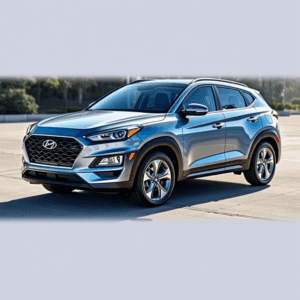
0 comment(s) so far on Why Choose the Tucson Over the RAV4?